
How to Spot Fake Air Jordan Sneakers: Ultimate Authentication Guide
Let’s jump right in — the replica footwear market is genuinely massive, and Air Jordans are the biggest focus. Trade analysis estimate that fake sneakers account for roughly $450 billion in global trade each year, and Jordan Brand sneakers account for a outsized portion of that figure. Whether you’re shopping from a private seller, an e-commerce platform, or even a brick-and-mortar shop that seems a little off, learning how to authenticate your pair is absolutely necessary — it’s essential. I’ve with my own eyes inspected many hundreds of pairs over the years, and the replicas have turned alarmingly good, notably since 2024. This walkthrough walks you through every verification step I use when verifying Air Jordans, from the packaging to the bottom and all the details. Keep this one, because it may protect you from wasting $250 on a pair of sneakers that cost someone $12 to produce.
Begin With the Box: Your Opening Line of Security
Before you even handle the sneakers, the shoebox itself tells a narrative that replica makers often get wrong. Authentic Jordan packaging have a distinct density and feel to the cardboard — it’s robust, with a gentle matte finish that feels this link expensive to the hand. Look at the end label on the end of the box for the right SKU, size, and colorway name, then cross-reference this details against Nike’s authorized product database or reliable sources like Nike.com. The typeface on legitimate labels is clean and consistently distributed, while counterfeits regularly exhibit sloppy letter spacing, somewhat thicker text, or incorrect font thickness. Scrutinize the UPC code — verify it with any barcode reader app and make sure it returns the correct product information. The wrapping paper inside genuine boxes also has a particular crinkle and weight; counterfeit packaging frequently uses cheaper, inferior paper that breaks more readily. Many veteran authenticators can spot a replica within 30 seconds just by inspecting the box, so never overlook this essential first step.
Checking the Shoe Construction and Materials
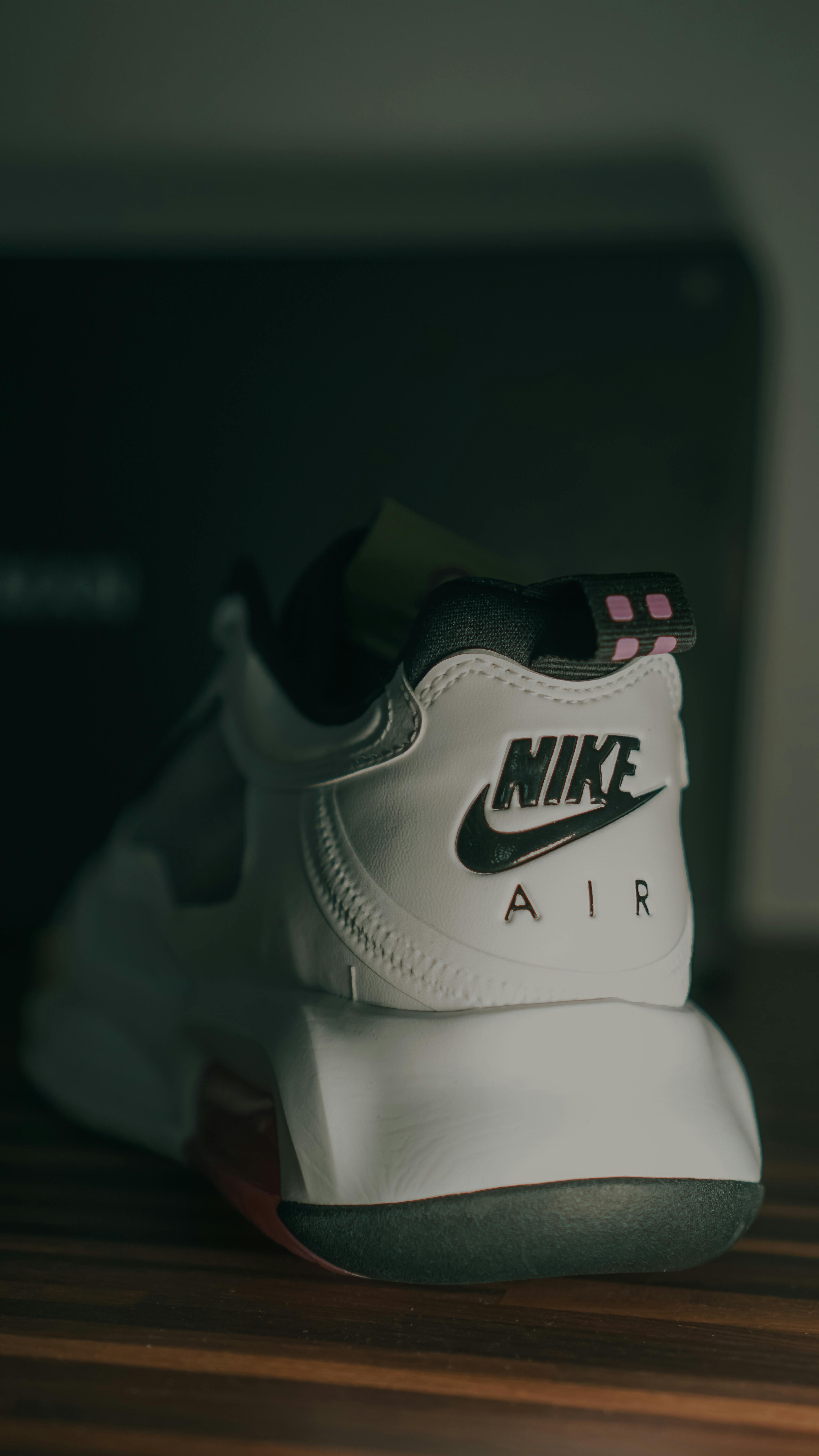
Hold the pair and feel the leather — genuine Air Jordans use high-quality materials that have a supple, consistent texture across the full upper. On the Air Jordan 1, genuine leather panels should feel smooth but supportive, not plasticky or overly stiff, and the tumbled texture on specific editions should have a natural, random texture rather than a stamped, uniform pattern. Thread work is one of the most reliable indicators: legitimate pairs show tight, consistent stitches with no loose threads, deteriorating edges, or irregular gaps. Count the stitches on critical zones like the swoosh and the wings logo — Nike maintains exact stitch counts that vary by silhouette and size, and fakers almost never hit these accurately. The general shape of the shoe matters too; genuine Air Jordan 1s have a signature hourglass shape when looked at from the rear, while many fakes seem too straight or chunky. Slide your finger along the sole edge where it connects to the upper — authentic shoes have neat, perfect bonding with no apparent glue residue or gaps.
The Bottom and Air Unit: Features That Fakes Miss
Rotate the pair over and examine the outsole pattern carefully against legitimate images from official releases. Authentic Air Jordan outsoles have exact tread patterns with well-cut lines and consistent depth across the entire surface. The outsole rubber on official pairs has a characteristic hardness and slight see-through quality on particular models (like the Air Jordan XI’s translucent outsole) that fakers have difficulty to copy correctly. Squeeze with pressure on the heel zone to check the Air unit — legitimate Nike Air units has a characteristic compression feel that cheap foam replacements just can’t reproduce. On models with exposed Air windows, like the Air Jordan 3, 4, or 5, check the Air chamber for clarity, correct sizing, and accurate placement within the midsole chamber. The Jumpman icon on the outsole should be cleanly visible with no smudging or flaws in the lines, and on the Air Jordan 3, the dimensions of the icon should replicate legitimate pictures precisely. Color consistency between the outsole and mid-section is another giveaway — counterfeits regularly have slight hue variations that are immediately noticeable when compared side by side with genuine pairs.
Tags, Labels, and the Nike Size Tag Breakdown
For good reason, the inner size label is probably the most heavily scrutinized feature in legit checking — it contains levels of checkable details. Authentic Nike size tags display precise fonts, spacing, and layout that evolve periodically, so you have to check against tags from the same production run. The tag should contain the correct SKU matching the box, a manufacturing date that fits within the recorded release date, and plant codes that match official Nike factories. In 2026, Nike product tags typically include a scannable QR code alongside the classic barcode — read both and verify they point to valid item details. The print quality should be clear with no blurring, and the tag material itself should feel sleek and a bit waxy, not gritty or papery. I always recommend snapping the tag under magnification and checking it against certified real pairs from records run by legit-check services like CheckCheck or Legit Check. If any one aspect on the product tag seems suspicious — wrong font, uneven spacing, odd material — regard it as a red flag serious enough to walk away from the buy.
The Smell Test and Other Non-Visual Assessments
Veteran collectors know that legitimate Air Jordans have a characteristic odor that’s nearly extremely difficult to copy, though this might sound strange if you’re unfamiliar with sneaker authentication. Real Nike products have a subtle, delicate leather and rubber aroma that is produced by the specific ingredients and adhesives used in Nike-contracted factories. Knockoff shoes frequently stink of strong chemicals, strong factory glue, or have an sprayed-on “new shoe” smell that’s been applied to mask factory fumes. Beyond smell, check the mass of the shoes — genuine pairs within the same model and size should be within a couple of grams of each other, and many authentication guides list verified weight ranges for common models. Press the foam softly and listen; genuine Air technology emits a slightly hollow, ringing tap, while knockoff foam fakes usually create a duller thud. Feel the inner lining for even finish — real pairs have precisely laid inner linings without gathering, folds, or showing bonding agent. These sensory assessments reinforce the eye-based inspection and provide more data points that reinforce your overall judgment.
| Authentication Checkpoint | What to Look For | Common Fake Giveaways |
|---|---|---|
| Shoebox and labels | Accurate style code, clean fonts, working barcode | Irregular text, incorrect font thickness, dead barcodes |
| Upper materials and leather quality | Soft grain pattern, uniform texture on all panels | Plasticky feel, stamped repetitive patterns |
| Stitching | Uniform gaps, accurate stitch numbers, clean threads | Irregular spacing, fraying, inconsistent thread color |
| Outsole | Precise traction pattern, correct rubber firmness | Shallow patterns, wrong rubber compound, color mismatch |
| Interior label | Right typeface, working QR and barcode, legitimate factory codes | Blurry text, incorrect kerning, non-functional QR codes |
| Air Unit | Springy Air response, clean Air windows | Dead foam response, hazy or misaligned Air windows |
| Aroma | Clean leather and rubber smell | Overpowering chemical fumes or industrial glue scent |
Using Modern Technology and Third-Party Authentication Services
Technology and third-party verification services deliver an invaluable second opinion when your own examination can’t give a definitive answer. Apps like CheckCheck and Legit Check by Ch permit you to submit close-up photos and be sent certified opinions, normally within several hours, for a charge between $5 and $15. UV inspection shows concealed markings — genuine Nike shoes commonly have particular ultraviolet-reactive patterns and glue patterns placed during QC in authorized facilities. Some enthusiasts invest in magnifying scopes (available for under $50) to inspect stitching and print clarity at zoom levels that uncover even the most convincing replicas. In 2026, Nike’s own SNKRS app includes upgraded authentication features for legitimate transactions, including blockchain-verified authentication certificates for select limited-edition drops. Never be afraid to use numerous checking techniques in parallel — skilled authenticators use a minimum of five inspection steps before issuing a call, and you should apply the same strategy for any transaction above $150.
Where to Shop and Warning Signs to Look Out For
Purchasing from official stores, Nike official channels, or established resale marketplaces with built-in authentication is the most foolproof way to dodge fakes. StockX, GOAT, and eBay’s Authenticity Guarantee all have certified verifiers who examine every pair before shipping. Be extremely cautious of social sellers offering “bargains” on desired releases — if a $400 pair is offered for $150, there’s a catch. Be aware of sellers who refuse additional photos, urge quick purchases, or require unprotected payment types like Bitcoin or gift cards. Fresh accounts, stock photos instead of actual product images, and generic product info are major red flags. Always ask for recently taken photos with the seller’s handle visible before finalizing direct transactions. The golden rule hasn’t changed: if the listing feels too good to be true, skipping it is always more affordable than paying for fakes.