
The Perception of Luck in Gambling
One of the most pervasive myths surrounding casino gambling is the belief that luck is the sole determining factor in winning. Many individuals enter casinos with the mindset that their success hinges entirely on chance, ignoring the significant role that skill and strategy can play in various games. For instance, in games such as poker, understanding the odds and employing strategic gameplay can greatly enhance a player’s ability to win. Meanwhile, slot machines, often perceived as purely luck-based, also involve knowledge of pay lines and payout percentages that can inform a player’s choices, making platforms like neosurf casino australia appealing for informed gamers. This blend of skill and luck creates a more complex gambling landscape than many players realize.
This belief in luck often leads to a phenomenon known as the “gambler’s fallacy,” where individuals think that past events influence future outcomes in independent games, such as throwing dice or spinning a roulette wheel. For example, someone may believe that after a series of reds in roulette, black is now “due” to come up. In reality, each spin is independent, and the odds remain unchanged regardless of previous outcomes. Understanding these principles can help players make more informed decisions and approach gambling with a clearer mindset, ultimately leading to a more rewarding experience.
Moreover, casinos often capitalize on this misconception about luck, designing their environments to evoke feelings of excitement and unpredictability. The flashing lights, roaring sounds, and celebratory atmosphere create an illusion that luck is ever-present. For players, this can intensify the thrill of gambling, but it also clouds their judgment. Ultimately, this combination of skill and chance is essential to understanding the dynamics of casino gambling, allowing players to strike a balance that can influence their overall experience and outcomes.
The Illusion of Winning Streaks
Another common myth is the idea of winning streaks, where some gamblers believe they are on a “hot streak” that will continue indefinitely. This notion can lead players to increase their bets or continue playing longer than they should, convinced that their luck is bound to hold. In reality, winning streaks can be a result of variance—a natural occurrence in gambling that can lead to short-term wins followed by losses. Statistical analysis demonstrates that while players may experience brief periods of success, the long-term house edge ensures that the casino prevails over time, making it essential for players to recognize the role of randomness in their gambling experiences.
The thrill derived from winning streaks can be intoxicating, often overshadowing the inherent risks involved in gambling. Gamblers might experience cognitive biases, such as confirmation bias, where they only acknowledge wins while disregarding losses. This behavior can falsely reinforce the belief in streaks and lead to poor financial decisions. It’s crucial for gamblers to recognize the cyclical nature of the games and approach their sessions with a realistic mindset that acknowledges the potential for losses. By doing so, they can enjoy their time at the casino without falling prey to the false allure of seemingly endless winning.

In addition, understanding variance can help set more achievable expectations. By recognizing that winning streaks are transient and don’t guarantee future success, players can make more rational decisions about when to walk away and how much to wager. This awareness can mitigate the risks associated with gambling and foster a more enjoyable experience rather than one mired in the emotional ups and downs of perceived winning streaks. Realizing that winning is part of a broader gambling journey can help players maintain control and enjoy their gambling activities responsibly.
The Myth of Player Advantage Over the House
A prevalent myth among casino-goers is that certain players possess an advantage over the house through strategies designed to consistently win. While it’s true that experienced players may utilize strategies to enhance their odds, the underlying mathematics of casino games ensures that the house always holds an advantage in the long run. For example, in games like blackjack, skilled players may use card counting techniques to maximize their chances, but casinos employ countermeasures that can nullify such strategies. This understanding is crucial for players hoping to navigate their gambling experiences more effectively.
Moreover, special promotions and bonuses offered by casinos can contribute to this myth, as players may believe they can exploit these offers for consistent wins. However, these promotions often come with wagering requirements and terms that ultimately favor the casino. Understanding this dynamic is crucial for players seeking to maximize their gaming experience. Rather than relying on myths of player superiority, gamblers should focus on responsible play and managing their bankroll effectively, recognizing that even the best strategies cannot guarantee consistent winnings.
By understanding the casino’s inherent advantages, players can better discern which games align with their skill levels and risk tolerances. Educating oneself about odds, house edges, and optimal strategies can lead to a healthier outlook on gambling. Recognizing that the house advantage is built into the framework of every game can empower players to make more informed choices and enjoy their time at the casino without falling prey to misconceptions about their chances of winning. This knowledge can foster a sense of empowerment and responsibility that enhances the overall gambling experience.
The Effects of Alcohol on Gambling Decisions
Another myth that often circulates within the casino environment is the belief that alcohol consumption enhances the gambling experience and may improve one’s chances of winning. While the idea of sipping a drink while placing bets may sound enticing, the reality is that alcohol can impair judgment and affect decision-making skills. When players indulge in alcohol, they may be more prone to making impulsive bets or failing to recognize the true odds of the games they are playing. This impairment can lead to regretful decisions and significant financial losses, detracting from the overall enjoyment of gambling.
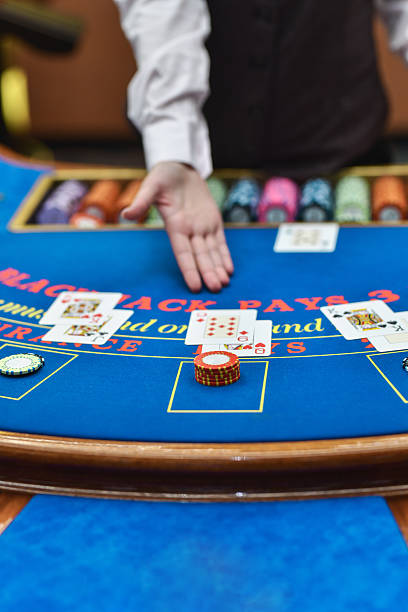
Casinos often strategically serve complimentary drinks to keep players engaged and spur a carefree attitude towards spending. This can lead to a false sense of confidence and an overestimation of one’s gambling prowess. As inhibitions decrease, players may find themselves betting more than they can afford or extending their gambling sessions with the misguided notion that the “next win” is just a few spins away. This behavior can quickly escalate into problem gambling, leaving individuals in precarious financial situations that can affect their lives beyond the casino.
Understanding the relationship between alcohol and gambling behavior is essential for a responsible approach to gaming. Players should consider setting limits on both their spending and alcohol intake to maintain clarity and control during their gambling sessions. By fostering awareness of the potential pitfalls associated with drinking while gambling, players can better enjoy the experience and minimize the risks associated with impaired judgment. A more mindful approach to gambling can ensure that players have a more positive and sustainable gaming experience.
Understanding the Online Casino Experience
In recent years, online casinos have gained immense popularity, yet many myths persist regarding their legitimacy and safety. Some players believe that online platforms are rigged or not fair, echoing concerns that have plagued the industry since its inception. However, reputable online casinos employ Random Number Generators (RNGs) to ensure fair play and transparency, mirroring the mechanics of traditional casinos. These systems are regularly audited by independent agencies to verify their integrity, providing players with a safe gambling environment and a level of trust that is crucial for online gaming.
Moreover, the convenience of online gambling has led to misconceptions about the potential for addiction and excessive losses due to easy access. While it is true that online casinos can facilitate impulsive gambling, many platforms also offer features to help players manage their gambling habits, such as deposit limits, self-exclusion options, and reality checks. Recognizing the difference between responsible gaming and problem gambling is essential for enjoying the online casino experience while safeguarding against the risks of excessive play.
Ultimately, understanding the online gambling landscape is crucial for players seeking to navigate this burgeoning industry responsibly. By being informed about the safety measures in place and adopting a mindful approach to gaming, individuals can engage with online casinos in a way that maximizes enjoyment while mitigating risks. As online gambling continues to evolve, remaining aware of these myths will pave the way for a more secure and satisfying gambling experience that aligns with responsible gaming principles.